
If your water heater is on its last legs, the first question is almost always the same: what is this going to cost me? In the Chicago area, a water heater replacement typically runs anywhere from about $900 for a basic tank unit to $5,000 or more for a high-efficiency tankless system — installed. The final number depends on the type of unit you choose, your home’s existing setup, and how much labor the swap requires.
This guide breaks down realistic 2026 price ranges for the Chicago and Lake County market, explains what actually drives the cost, and helps you decide which type of water heater is worth it for your home. As licensed Chicago plumbers, we replace water heaters every week — here is what you can expect to pay.
How much does water heater replacement cost in the Chicago area?
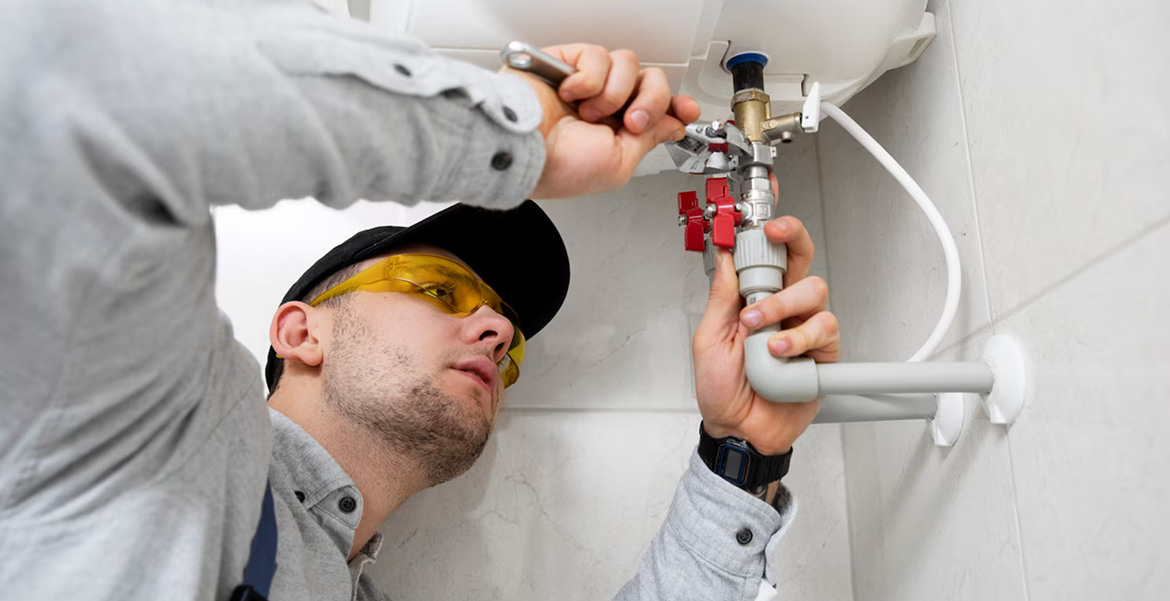
Water heater pricing is usually quoted “installed,” meaning the unit, labor, basic parts and permit are bundled together. The single biggest factor is the type of water heater you choose. Here are the typical installed ranges we see across Chicago and the north suburbs in 2026:
| Water heater type | Typical installed cost | Best for |
|---|---|---|
| Standard gas tank (40-50 gal) | $900 - $2,500 | Most homes replacing like-for-like |
| Standard electric tank (40-50 gal) | $800 - $2,000 | Homes without gas service |
| Tankless (gas) | $2,000 - $5,000+ | Endless hot water, long-term efficiency |
| Heat-pump / hybrid | $1,500 - $4,000 | Lowest operating cost, tax-credit eligible |
These are market ranges, not quotes. A straightforward like-for-like tank swap sits at the low end, while jobs that require new venting, gas-line changes or relocation land higher. The only way to know your real number is an on-site estimate.
What affects the cost of water heater replacement?
Two nearly identical homes can get very different quotes. Labor — not the unit itself — is usually the biggest swing factor. Here is what moves the price:
- Fuel type and unit size. Larger tanks and high-BTU gas units cost more than a basic 40-gallon model, and switching fuel types adds work.
- Venting and gas line. Tankless and high-efficiency units often require new venting or a larger gas line, which is one of the biggest cost drivers on an upgrade.
- Permits and code upgrades. Illinois requires permitted, licensed work, and bringing older connections up to current code adds to the total.
- Accessibility. A unit crammed into a tight closet or finished basement takes longer to remove and install than one in an open utility room.
- Chicago-area hard water. Our water runs about 130-150 ppm, so sediment builds quickly and shortens tank life — a big reason replacements come sooner here than in soft-water markets.
Professional water heater replacement includes hauling away the old unit, code-compliant connections and full testing — details that protect you from leaks and failed inspections down the road.
Tank vs. tankless vs. heat pump: which is worth it?
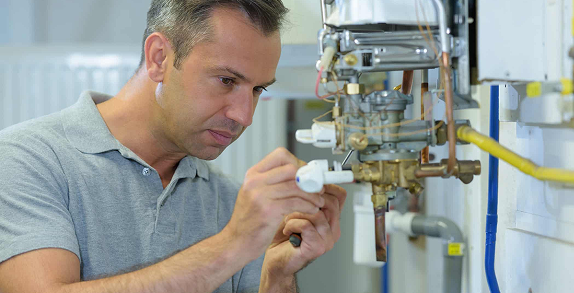
The cheapest unit up front is not always the cheapest to own. Here is how the three main options compare:
| Option | Upfront cost | Lifespan | Operating cost |
|---|---|---|---|
| Standard tank | Lowest | 8-12 years | Higher |
| Tankless (gas) | Highest | 15-20 years | Lower, endless hot water |
| Heat-pump / hybrid | Middle-high | 10-15 years | Lowest |
Tankless units cost more to install but last longer and never run out of hot water, which appeals to larger households. Heat-pump models have the lowest operating cost and can qualify for a 30% federal tax credit (up to $600), making their real cost more competitive than the sticker price suggests. For many Chicago homes on a budget, a quality gas tank is still the practical choice.
Repair or replace? When replacement is the smarter buy
Sometimes a repair makes sense; other times you are pouring money into a unit that is about to fail. Lean toward replacement when:
- The unit is 8-12 years old or older — past its expected lifespan.
- You notice rust-colored water, tank leaks or corrosion around the base.
- Energy bills keep climbing as the unit works harder against sediment.
- You are facing a repair that costs more than half the price of a new unit.
Not sure which camp you are in? Review the warning signs your water heater is failing before you decide — catching it early prevents a cold-shower emergency and potential water damage.
How to keep water heater replacement affordable
You can’t control the price of the unit itself, but a few smart moves keep the total in check:
- Don’t wait for a failure. Replacing on your own schedule avoids emergency and after-hours rates — and the water damage a burst tank can cause in a finished basement.
- Match the unit to your needs. Oversizing wastes money up front and on every energy bill; a plumber can size the right capacity for your household.
- Stick with your current fuel type when it makes sense. A like-for-like gas or electric swap avoids costly venting, gas-line or electrical upgrades.
- Ask about rebates and tax credits. High-efficiency and heat-pump models may qualify for federal tax credits and utility rebates that offset a higher sticker price.
- Get an itemized, upfront quote. A clear estimate lets you compare options apples-to-apples and rules out surprise charges.
Routine care also stretches your investment. Flushing the tank once a year clears the sediment that Chicago’s hard water leaves behind, which protects efficiency and pushes your next replacement further down the road. If your unit is still relatively young, a small repair paired with regular maintenance may buy you several more years before a full replacement is worth it.
When to call Iron Wrench Plumbing
Iron Wrench Plumbing is based in Mundelein and serves homeowners across Lake County and the north suburbs — including Libertyville, Vernon Hills, Gurnee, Grayslake, Lake Zurich and Buffalo Grove. We offer same-day water heater replacement with upfront, itemized pricing, so there are no surprises when the invoice arrives. If your new water heater needs a new or upsized gas supply, our gas line installation cost guide explains what that adds.
Find us on the map at Iron Wrench Plumbing in Mundelein, IL, call (847) 238-8683, or schedule a free estimate to get an exact price for your home.
Frequently asked questions about water heater replacement cost
Here are the questions Chicago and Lake County homeowners ask us most when it is time to replace a water heater.
How much does it cost to replace a 50-gallon water heater?
In the Chicago area, a 50-gallon gas tank typically runs about $1,100 to $2,500 installed, depending on venting, code upgrades and accessibility. A like-for-like swap in an open utility room lands at the lower end of that range.
Is a tankless water heater worth it in Chicago?
Tankless units cost more up front and may require gas-line or venting upgrades, but they last longer, lower your operating cost and deliver endless hot water. They are usually worth it for larger households planning to stay in the home long term. In our hard-water region, annual flushing is important to protect that investment.
How long does water heater replacement take?
A standard tank swap usually takes about two to three hours. Tankless or heat-pump installations that require new venting, gas-line or electrical work can take most of a day.
Does hard water shorten a water heater’s life?
Yes. Chicago’s hard water (130-150 ppm) deposits sediment that reduces efficiency and corrodes the tank faster. Annual flushing helps, but hard water is a key reason local water heaters often need replacing sooner than the manufacturer’s estimate.