
A single fast-moving summer thunderstorm can drop two inches of rain on a Lake County neighborhood in under an hour — and all of that water has to go somewhere. For thousands of homeowners across Mundelein, Libertyville, Gurnee and Grayslake, “somewhere” turns out to be the basement. Summer is peak season for basement flooding and sewer backups in our area, and the damage can climb into the thousands of dollars before you even reach the bottom of the stairs.
This guide explains why summer storms hit Lake County basements so hard, the most common storm-related plumbing failures, and the practical steps you can take to keep your home dry. As licensed Lake County plumbers, we respond to storm flooding all summer long — and most of the worst damage we see was preventable.
Why summer storms flood Lake County basements

Our region sits on low-lying, clay-heavy ground with a high water table — soil that drains slowly and saturates quickly. When rain falls faster than the earth can absorb it, the runoff heads straight for the sewer system instead of soaking into the ground.
The bigger problem is the infrastructure. Much of Chicagoland still relies on an aging combined sewer system that carries storm runoff and household wastewater in the same pipes. During an intense downpour, that volume overwhelms the city mains. With nowhere else to go, water pushes backward through the lateral line that connects your home to the street and surfaces through the lowest openings in the house: basement floor drains, laundry tubs and toilets.
Three factors make summer especially dangerous: intense, localized “microburst” storms that dump huge volumes fast; ground that stays saturated from back-to-back rain; and power outages that knock out the very pumps meant to protect you.
The most common summer storm plumbing problems
Most storm-season basement disasters trace back to one of three failures. Knowing what they look like helps you act before a trickle becomes a flood.
Sewer backups through floor drains
When the combined sewer surcharges, wastewater can reverse direction and rise up through your basement floor drain. Early warning signs include gurgling drains, a sewage odor, and slow fixtures during heavy rain. This is the most hazardous type of flooding because the water is contaminated — it should never be handled without protection, and standing sewage requires professional cleanup.
Sump pump overload and failure
A sump pump is your basement’s first line of defense, but a relentless summer storm can push it past its limits. Pumps that run nonstop can overheat and burn out, and units older than seven to ten years often fail at the worst possible moment. If your pump struggles to keep up or cycles constantly during storms, it may be undersized or worn out and due for sump pump installation and repair.
Power loss during the storm
The same storms that flood basements routinely knock out electricity — and a standard sump pump is useless without power. This is why so many flooded basements happen during outages: the homeowner had a working pump that simply had nothing to run on.
| Problem | Why it happens in summer | Main risk |
|---|---|---|
| Sewer backup | Combined sewer surcharges during heavy rain | Contaminated water, health hazard, costly cleanup |
| Sump pump overload | Pump runs nonstop and can’t keep up | Burnout, rising water, flooded finished space |
| Power outage | Storms cut power to the primary pump | No protection exactly when you need it most |
How to protect your home before the next storm
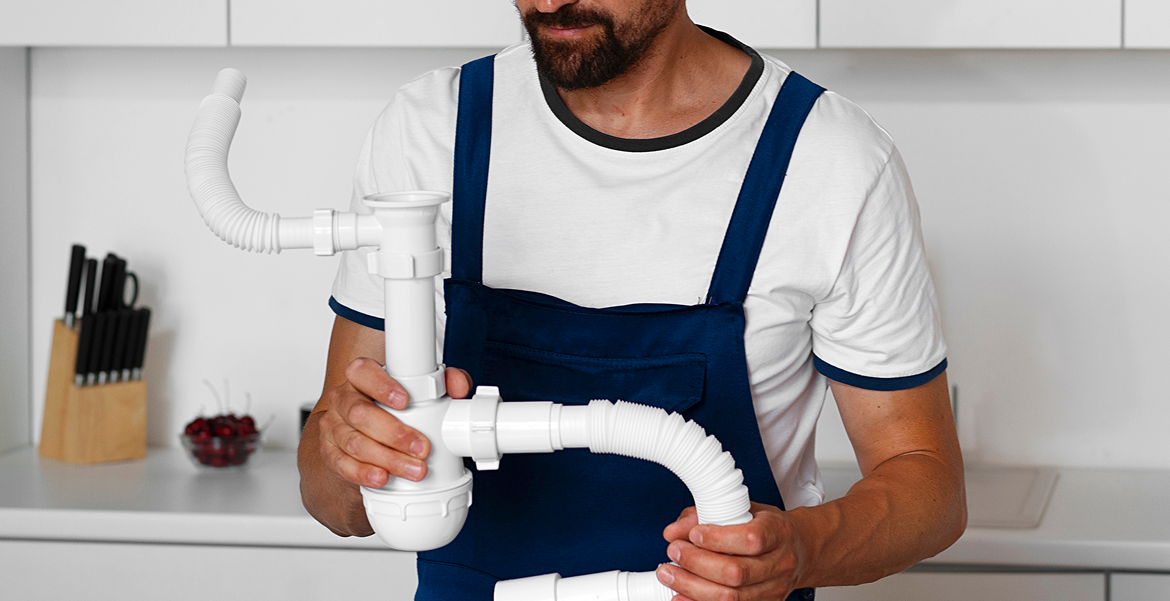
The good news: you can’t control the weather, but you can control how your home responds to it. These upgrades and habits dramatically lower your flood risk.
- Add a battery backup pump. A battery backup sump pump keeps water moving even when the power fails — the single highest-value upgrade for most Lake County basements. Our sump pump installation service covers primary, battery-backup, and combination systems.
- Install a backwater valve. This one-way valve lets water exit your home but blocks the city sewer from pushing back through your floor drains.
- Manage your downspouts. Disconnect them from the sewer drain where allowed and extend them at least four to six feet away from the foundation.
- Test your sump pump monthly. Pour a bucket of water into the pit and confirm the pump activates and clears it quickly.
- Consider overhead sewer conversion. Rerouting basement waste to an ejector pit is the gold standard for homes that flood repeatedly.
- Keep gutters and grading clear. Clean gutters and soil that slopes away from the house keep stormwater from pooling at the foundation.
What to do during and after a backup
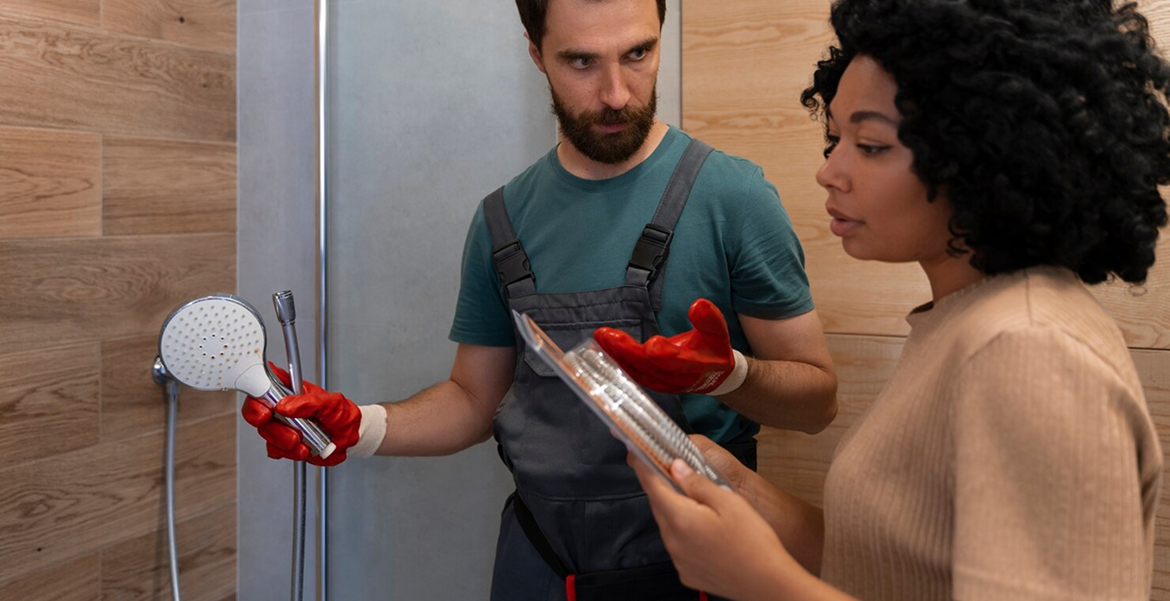
If water is already coming in, stay calm and protect yourself first — floodwater and electricity are a dangerous mix.
- Stay out of standing water that could be in contact with outlets, appliances or wiring.
- If you can reach the panel safely and dryly, shut off power to the affected area at the breaker.
- Stop using sinks, tubs and toilets until the backup clears — adding water makes it worse.
- Photograph and video everything before cleanup for your insurance claim.
- Once it’s safe, ventilate the space and begin drying to limit mold growth.
Sewage backups are a biohazard and overloaded pumps can fail fast, so don’t wait it out. A 24/7 emergency plumber can clear the blockage, restore your pump and help you document the damage properly.
When to call Iron Wrench Plumbing
Iron Wrench Plumbing is based in Mundelein and serves homeowners throughout Lake County and the north suburbs — including Libertyville, Vernon Hills, Gurnee, Grayslake, Wauconda, Lake Zurich and Buffalo Grove. Whether you need an emergency response after a backup or want to storm-proof your basement before the next downpour, our licensed team can help.
Find us on the map at Iron Wrench Plumbing in Mundelein, IL, call (847) 238-8683, or schedule a free estimate online. We’ll help keep your basement dry all summer long.
Frequently asked questions about summer basement flooding
A few questions come up after almost every storm. Here are the answers Lake County homeowners ask us most.
Does homeowners insurance cover basement flooding?
Often not. Standard homeowners policies typically exclude sewer backups and groundwater flooding unless you have added a specific water-backup or flood endorsement. Check your policy now — before a storm — and ask your agent about adding coverage if you don’t have it.
Is a sump pump enough during a summer storm?
A single, healthy sump pump handles most everyday situations, but an intense storm combined with a power outage can overwhelm it. Pairing your primary pump with a battery backup — and a backwater valve for sewer protection — gives you reliable, redundant protection.
What is a backwater valve and do I need one?
A backwater valve is a one-way gate installed on your sewer line that allows wastewater to flow out while preventing the overloaded city sewer from flowing back into your basement. If your home has ever experienced a sewer backup, it’s one of the most effective protections available.
How often should I test my sump pump?
Test it monthly during storm season and again before any major forecasted rain. Pour a bucket of water into the pit, confirm the pump switches on and empties it, and replace backup batteries on the manufacturer’s schedule — usually every three to five years.