
There’s nothing quite like stepping into the shower on a chilly Chicago morning, only to be blasted with ice-cold water. It’s frustrating, uncomfortable, and usually a sign that something isn’t right with your water heater. The good news? Many of these issues don’t come out of nowhere—and with the right knowledge, they’re often preventable.
This guide is here to help you understand what’s really going on behind the scenes when your hot water suddenly disappears. We’ll break things down in plain language, walk through common warning signs, and share practical tips you can actually use at home. You’ll also learn when a quick fix might do the trick and when it’s smarter to call in a professional for Chicago water heater repair before a small issue turns into a much bigger (and more expensive) problem.
Whether you’re dealing with inconsistent temperatures, strange noises, or just want to avoid future cold showers altogether, this post will give you the confidence to take action early and keep your hot water running when you need it most.
How Your Water Heater Works (And Why It Fails)
The Basics Behind Your Hot Water
Your water heater does a pretty simple job, but it works hard every single day. Cold water enters the tank, gets heated using gas or electricity, and is stored until you turn on the tap. When everything is working properly, you never think twice about it. When something goes wrong, though, it becomes painfully obvious—usually mid-shampoo.
In many Chicago homes, especially older ones, traditional tank-style water heaters are still common. These units constantly heat and reheat water to maintain a set temperature. Over time, that constant cycle takes a toll. Tankless systems, which heat water on demand, avoid storage issues but come with their own wear-and-tear concerns. No matter the type, understanding how your system functions makes it easier to spot problems early and know when Chicago water heater repair is needed.
Common Reasons Water Heaters Break Down
Most water heater failures aren’t sudden. They build up quietly over months or even years. One of the biggest culprits is sediment buildup from minerals in the water. This layer settles at the bottom of the tank, making the heater work harder, reducing efficiency, and eventually causing overheating or component damage.
Heating elements and thermostats can also wear out, leading to inconsistent temperatures or water that never quite gets hot enough. In gas-powered units, issues with burners or ventilation can impact performance and safety, which is why licensed professionals—and sometimes even gas line repair companies—are brought in to assess the full system.
Small leaks, pressure issues, or corroded connections can quickly snowball into bigger plumbing problems. Left unchecked, these issues may lead to emergency pipe repair or those last-minute calls to emergency plumbers Chicago homeowners dread. Knowing why water heaters fail puts you in a better position to act early, avoid cold showers, and protect your home from unnecessary damage.
Early Warning Signs Your Water Heater Needs Repair
Temperature Changes You Shouldn’t Ignore
One of the first signs that something’s off with your water heater is inconsistent temperature. If your shower starts hot but turns cold halfway through, or if it takes forever for the water to warm up, your system may be struggling to keep up. This often points to worn heating elements, a failing thermostat, or sediment buildup forcing the unit to work overtime. These are all common issues addressed during Chicago water heater repair visits and, when caught early, they’re usually easier and less expensive to fix.
You might also notice that hot water doesn’t last as long as it used to. If your household hasn’t changed but your hot water supply has, it’s a clear signal that your water heater isn’t operating efficiently anymore. Ignoring these temperature shifts can lead to bigger breakdowns that leave you with no hot water at all.
Strange Noises, Smells, and Water Quality Issues
Your water heater should be mostly quiet. Popping, rumbling, or banging sounds often mean sediment has hardened at the bottom of the tank. Not only does this reduce efficiency, but it also increases the risk of overheating and internal damage. In some cases, pressure problems tied to aging pipes can make things worse, eventually requiring emergency pipe repair if leaks or bursts occur.
Changes in water quality are another red flag. Rusty or cloudy water can signal corrosion inside the tank, while odd smells—especially anything resembling gas or sulfur—should never be ignored. Gas-related concerns are serious and may require coordination with qualified technicians or gas line repair companies to ensure everything is safe.
Leaks around the base of the unit are often the final warning sign before a major failure. At that point, calling emergency plumbers Chicago homeowners trust becomes unavoidable. Spotting these early signs gives you the chance to schedule repairs on your terms, avoid cold showers, and prevent unnecessary damage to your home.
DIY Water Heater Maintenance Tips That Actually Work
Simple Checks That Keep Hot Water Flowing
You don’t have to be a plumbing expert to take better care of your water heater. A few simple habits can go a long way toward extending its life and reducing the chances you’ll wake up to a cold shower. One of the easiest places to start is the temperature setting. Keeping it at a safe, moderate level helps prevent overheating while still giving you consistent hot water. It also puts less strain on the system, which means fewer surprise calls for Chicago water heater repair down the road.
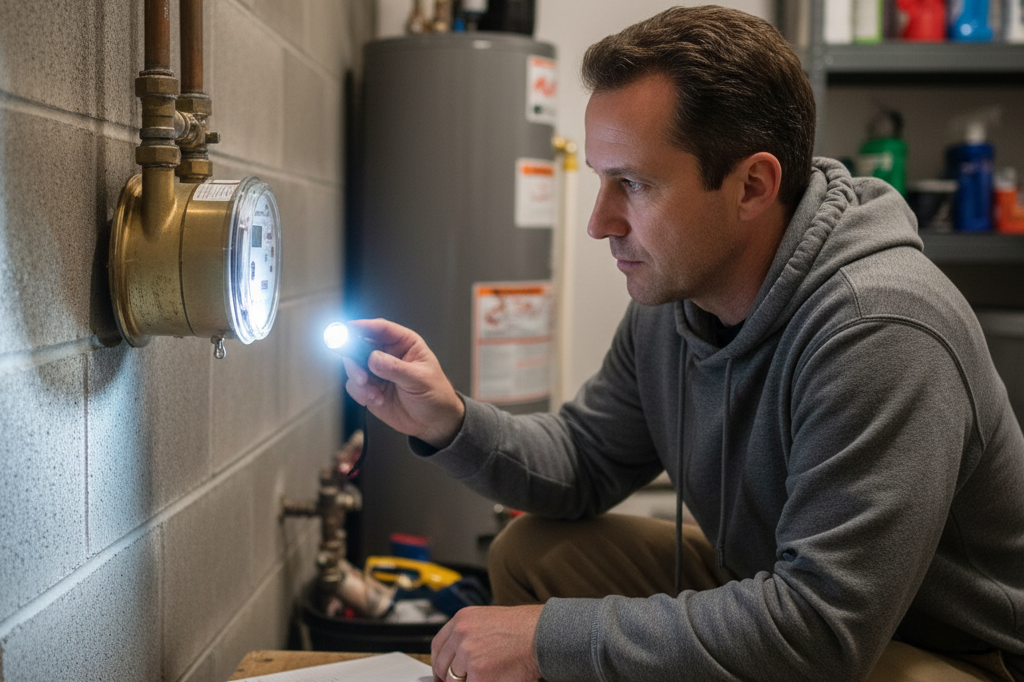
Taking a quick look at your unit every so often is also worth the effort. Check for moisture around the base, loose connections, or signs of corrosion. Catching a small leak early can prevent water damage and keep you from dealing with emergency pipe repair later on. These quick visual checks only take a few minutes but can save you a lot of stress.
What’s Safe to Handle—and What’s Not
Some maintenance tasks, like flushing the tank once a year to remove sediment, can greatly improve efficiency if you’re comfortable following basic instructions. Sediment buildup is one of the most common reasons water heaters struggle, especially in older Chicago homes. Clearing it out helps the unit heat water more effectively and reduces wear on internal components.
That said, there’s a clear line between helpful DIY care and risky repairs. Anything involving gas lines, electrical wiring, or major components should be left to professionals. Attempting these fixes without proper training can be dangerous and often leads to bigger problems that require emergency plumbers Chicago residents rely on when things go wrong fast. In homes with gas-powered units, certified technicians may even work alongside gas line repair companies to ensure everything is functioning safely.
Sticking to safe, preventative care keeps your system running smoothly and helps you avoid unexpected breakdowns when you need hot water most.
When to Call a Professional for Chicago Water Heater Repair
Problems That Shouldn’t Wait
Some water heater issues are simply too big—or too risky—to ignore. If you turn on the tap and get no hot water at all, that’s usually a sign of a failed heating element, a broken thermostat, or a gas-related issue that needs immediate attention. Active leaks around the unit are another clear signal to stop waiting. What starts as a small drip can quickly spread, damaging floors, walls, and nearby pipes.
Any gas smell near your water heater should be treated as urgent. This isn’t a situation for trial-and-error fixes. Licensed professionals know how to safely diagnose the problem and, when needed, coordinate with trusted gas line repair companies to make sure your home stays safe. At this stage, calling for Chicago water heater repair right away can prevent much bigger issues.
Why Delaying Repairs Often Costs More
Putting off professional help might seem like a way to save money, but it usually has the opposite effect. A struggling water heater has to work harder to do its job, which drives up energy bills and increases wear on other plumbing components. Over time, that strain can lead to pipe damage, water pressure problems, and even burst lines that require emergency pipe repair.
Many homeowners only reach out when things have already gone wrong, which is why emergency plumbers Chicago residents rely on are so busy during peak seasons. Scheduling repairs early gives you more flexibility, more control over costs, and a better chance to fix the issue before it turns into a full-blown emergency.
Knowing when to call a professional isn’t about overreacting—it’s about protecting your home, your comfort, and your peace of mind before a small problem becomes a cold-shower catastrophe.
Also Read: Why Same Day Plumbing Services Matter in Chicago Homes
How Chicago Weather Impacts Water Heater Performance
Why Winter Is Especially Hard on Your System
Chicago winters don’t just test your patience—they put serious strain on your plumbing system, including your water heater. When temperatures drop, the groundwater entering your home is much colder than usual. That means your water heater has to work harder and longer just to reach the same comfortable temperature. Over time, that extra workload can wear down components faster, making Chicago water heater repair more likely during the colder months.
Cold weather also affects the surrounding pipes. As pipes contract, pressure changes can stress connections near the water heater. If there are already weak points or aging materials, winter conditions can push them over the edge. That’s why plumbing issues tend to spike when temperatures plummet, often leading to urgent calls for the nearest Chicago water heater repair company.
Seasonal Demand and Sudden Breakdowns
Winter isn’t just hard on equipment—it’s also when demand skyrockets. Hot showers, dishwashers, and laundry all see heavier use when it’s cold outside. That constant demand leaves little room for error if your water heater isn’t in great shape. A unit that’s been limping along all year may finally give out when you need it most.
This is also why emergency plumbers Chicago homeowners depend on are busiest during winter storms and cold snaps. Small issues that might have gone unnoticed in warmer months suddenly become full-scale emergencies. For homes with gas-powered systems, technicians may even loop in gas line repair companies to ensure everything is operating safely under increased demand.
Understanding how Chicago’s weather impacts your water heater gives you a clear advantage. With a little preparation and early attention, you can avoid seasonal surprises and keep your hot water reliable year-round.
Keep the Hot Water Flowing—No More Cold Shower Surprises
Cold showers are more than just an inconvenience—they’re usually a warning sign that your water heater needs attention. By understanding how your system works, spotting early red flags, and keeping up with simple maintenance, you can avoid most of the problems that leave homeowners scrambling for hot water. Paying attention to small changes in temperature, noise, or water quality gives you the chance to act early instead of dealing with costly repairs later.
Just as important is knowing when to call in the pros. Whether it’s a persistent issue, a winter-related breakdown, or a safety concern, professional Chicago water heater repair can save you time, money, and a whole lot of stress. Addressing problems before they escalate helps prevent damage to surrounding pipes and reduces the chances of needing emergency service at the worst possible moment.
If your water heater is showing signs of trouble—or if you simply want peace of mind before the next cold snap—now is the perfect time to take action. Explore your options, schedule an inspection, or reach out to a trusted local professional to keep your home comfortable and your showers reliably warm all year long.